Il nostro passato
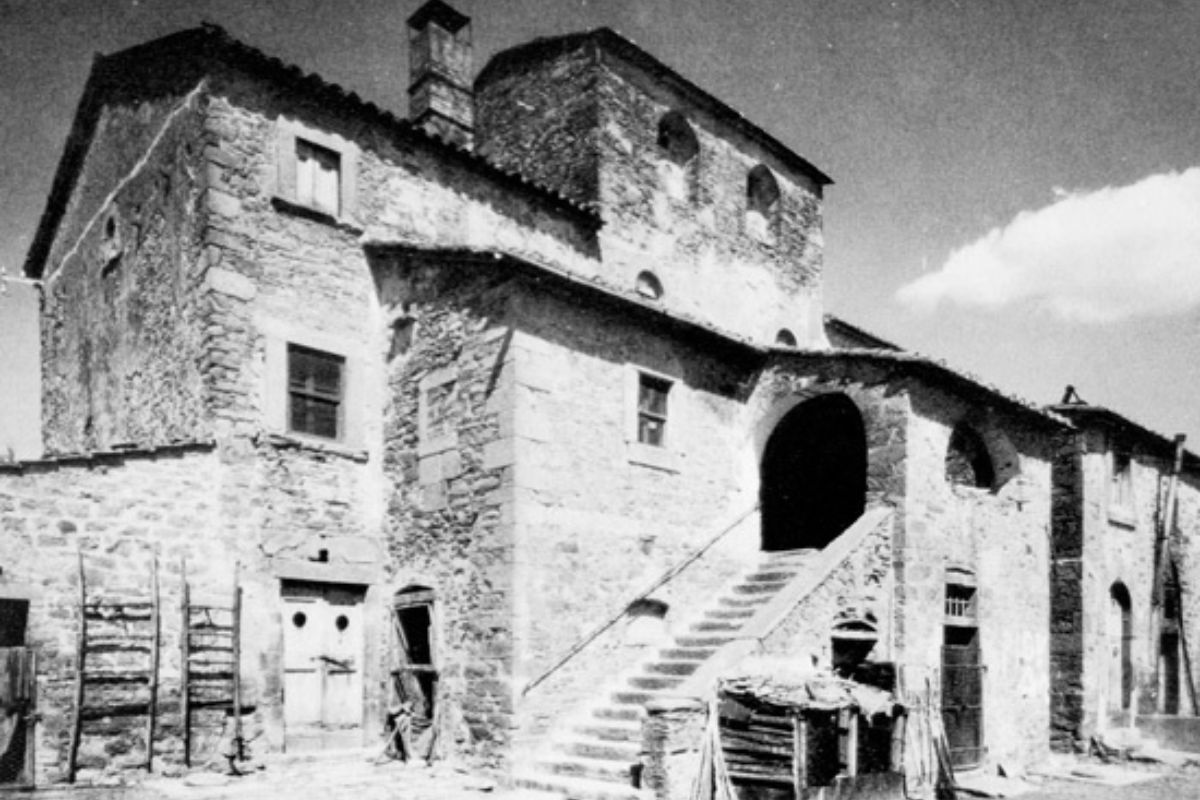
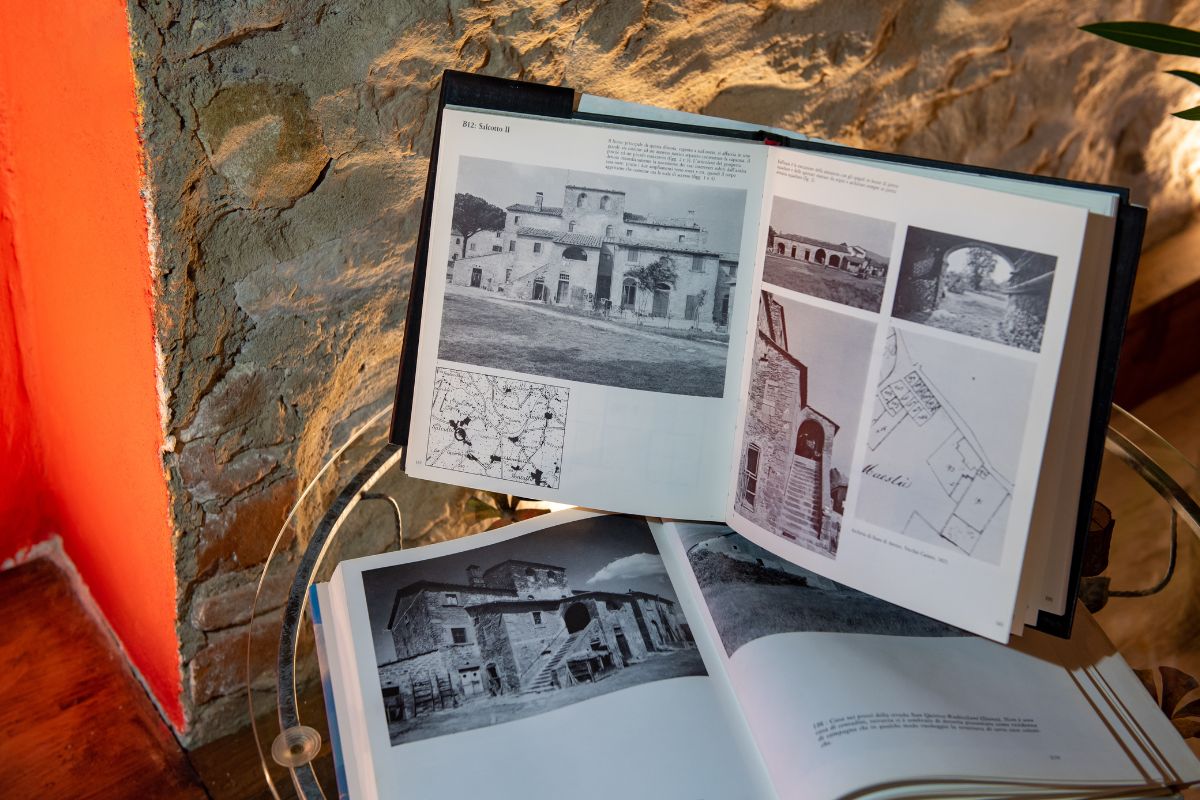
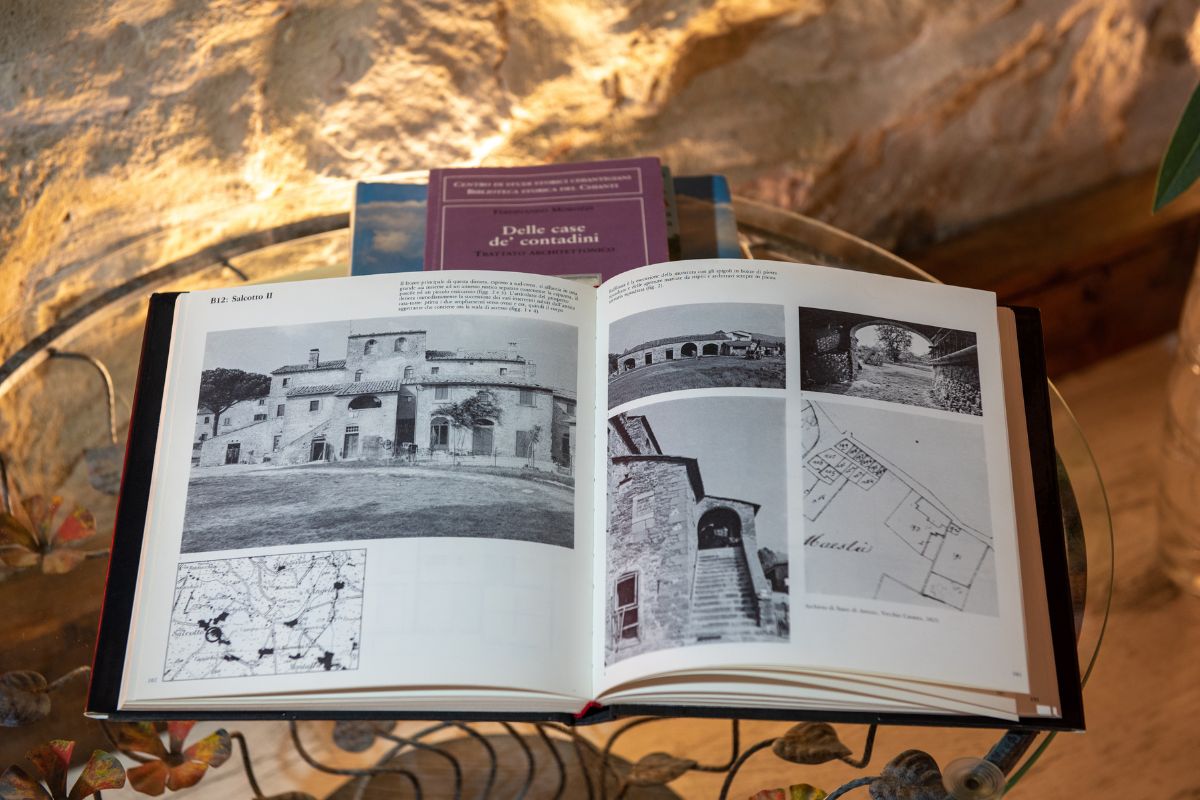
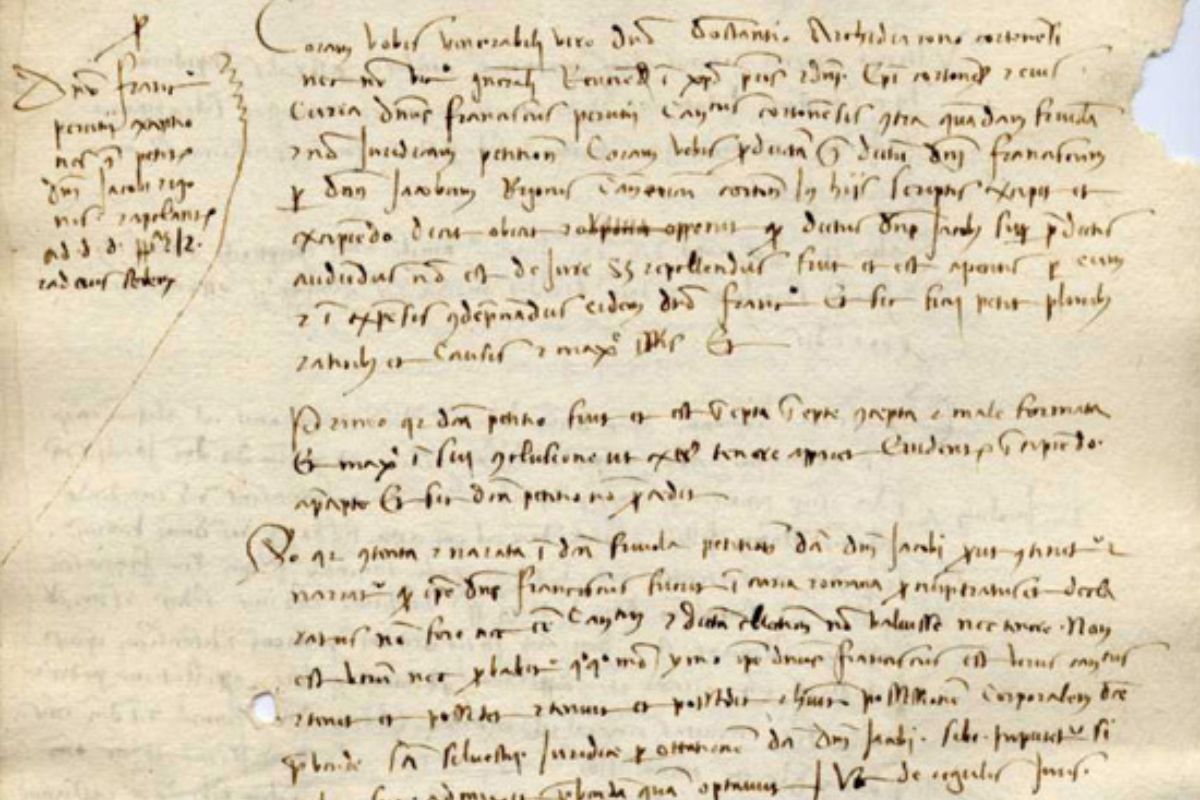
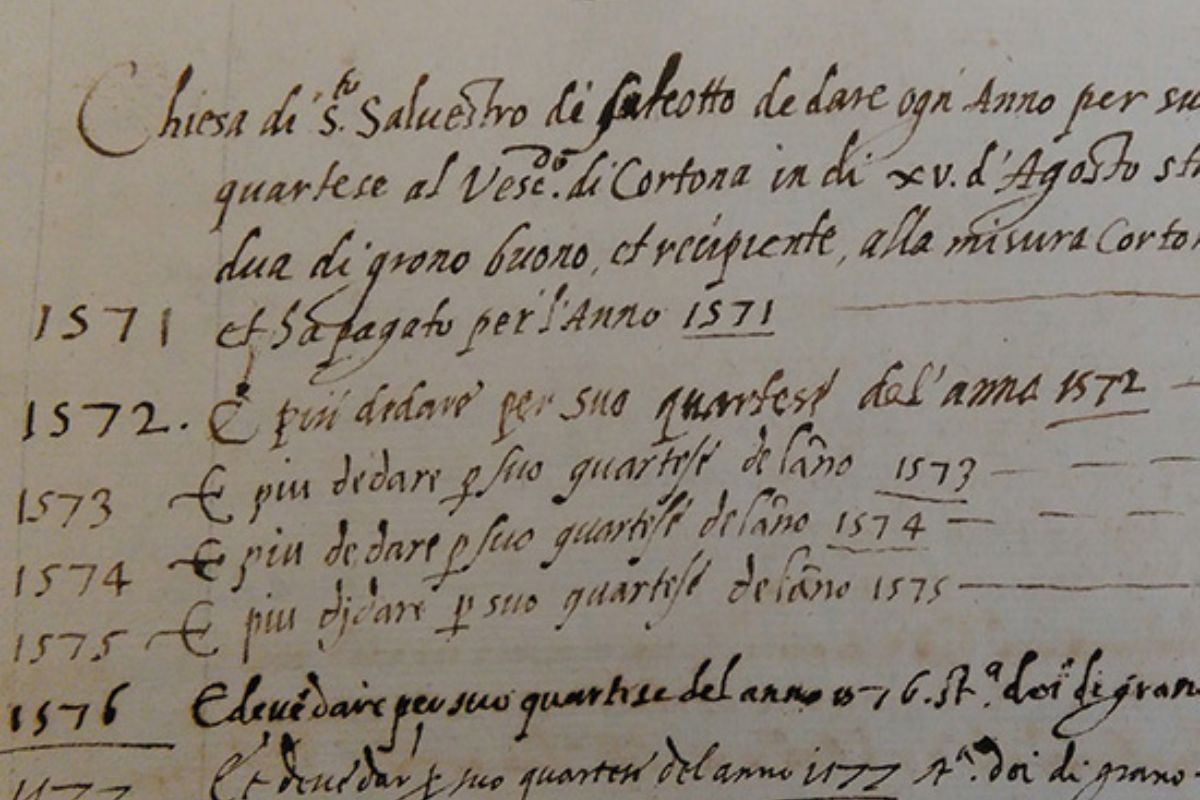
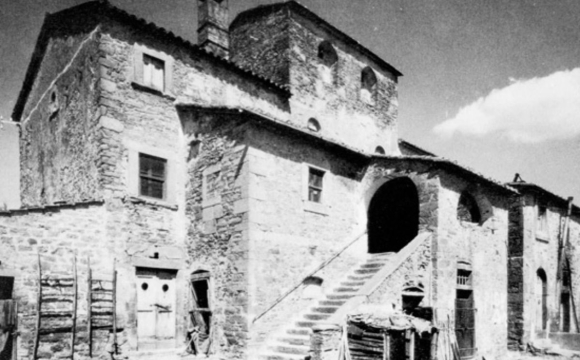
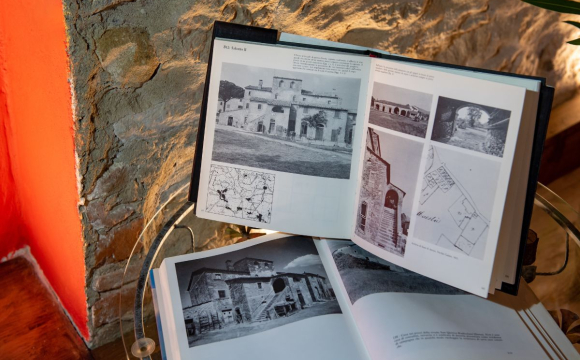
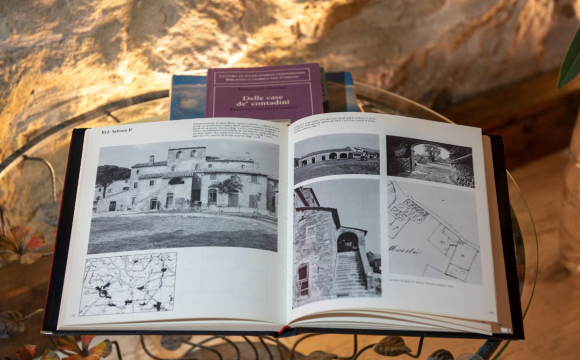
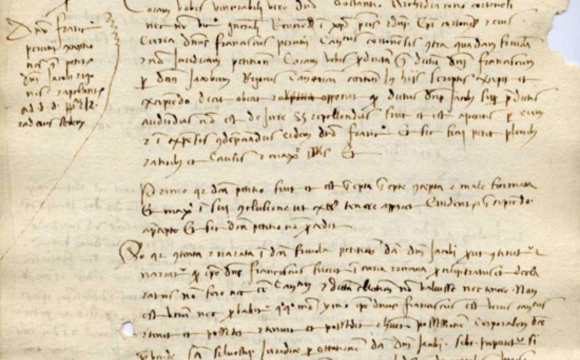
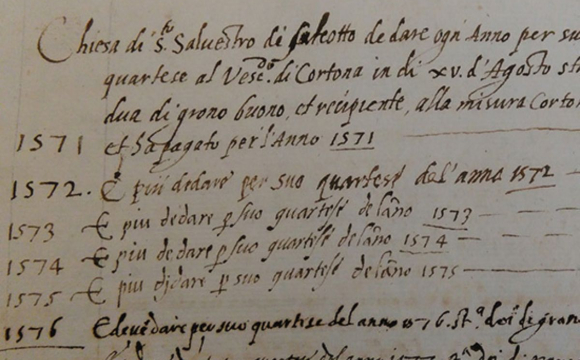
Unfortunately, it is difficult to explore this in depth due to the scarcity of documents, but from the 14th century onwards we have archival sources that allow us to reconstruct the history of this religious building. The Diocesan Historical Archive of Cortona holds the ‘pastoral visits’ (the visits that bishops were required to make annually to all the churches in the diocese, to carry out both doctrinal and material inspections), and our Ecclesia Sancti Silvestri is mentioned as early as the oldest ‘pastoral visit’ record from 1337. In fact, San Silvestro was fortunate not to have been abandoned; rather, it was transformed from a Benedictine monastery into a parish church with an oratory, where the parish festival was held every year on 31 December, the feast day of St Silvestro. In 1515, Cardinal Silvio Passerini (Cortona, 1469–1529), in order to increase the revenues of the Chapter he presided over, had the Ecclesia Sancti Silvestri incorporated into the Chapter’s assets. Thus began the decline of San Silvestro: deprived of its parish (which had been transferred to the nearby church of S. Marco in Villa) and its congregation, it was gradually neglected. In 1983, the building was listed among the 50 Tuscan farmhouses worthy of mention for their architectural distinctiveness.
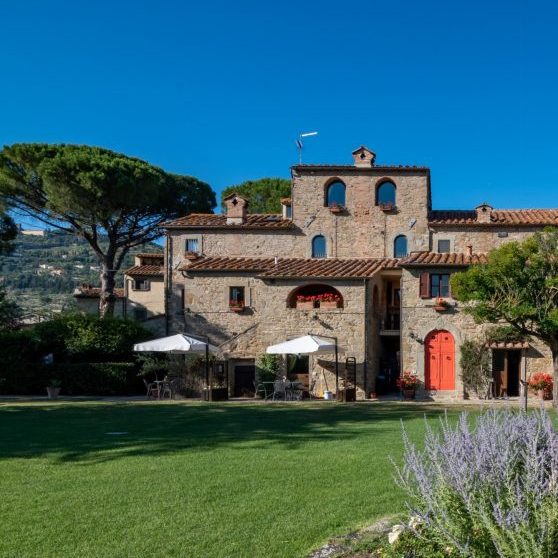
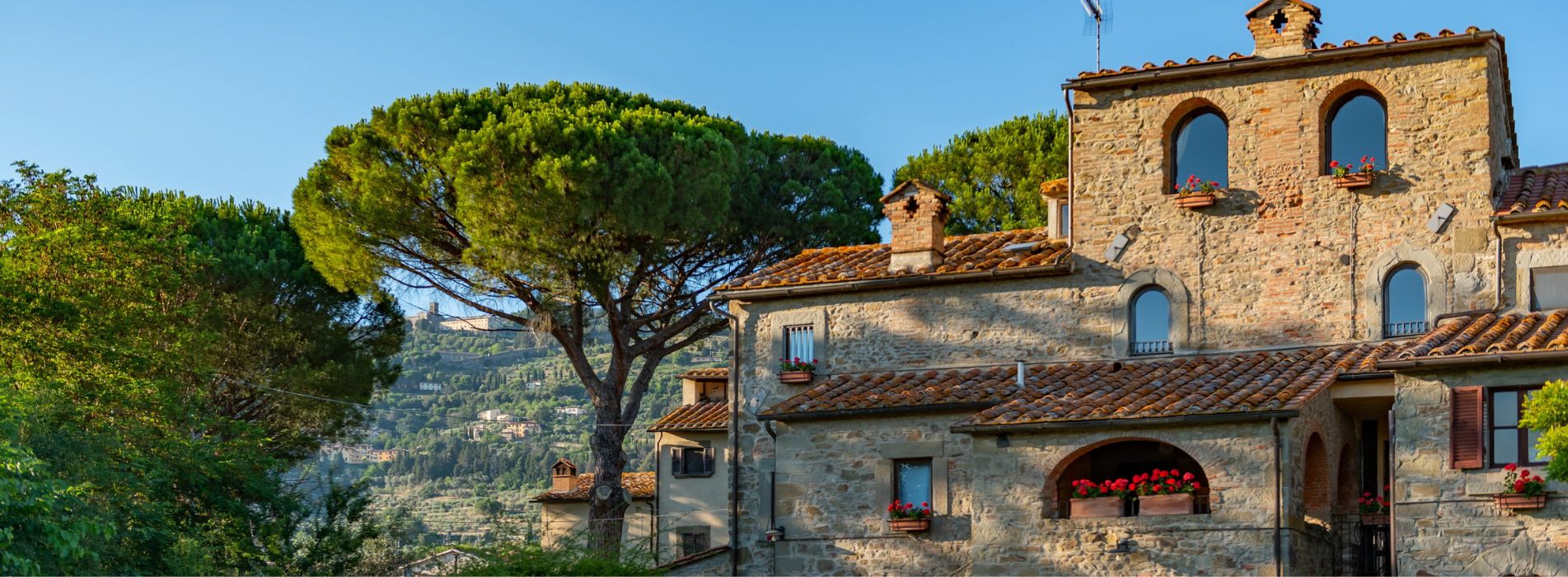
In 2002 Monastero San Silvestro was completely restored and refurbished, whilst preserving the traces of its history.
The green heart of the Farmhouse
In front of the historic building lies the monastery grounds and the swimming pool with its sun terrace, set amongst the greenery.
Staying in
Monastero San Silvestro
Monastero San Silvestro
The estate can accommodate guests in the main villa, which is now an elegant bed and breakfast, and in four luxury apartments.
An authentic experience in the heart of Tuscany